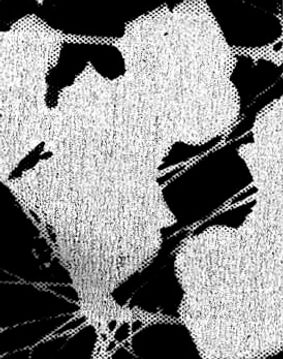
Photograms
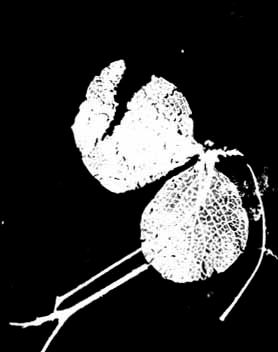
For this stage I have chosen to make photograms that consists of a variation of natural forms. an example of the different natural forms I have used are dried flowers, leafs and more. By using this processes it has allowed me to highlight key and hidden features these natural form have, showing the beauty of their veins and textures they hold that the human eye cannot see.


Set 1
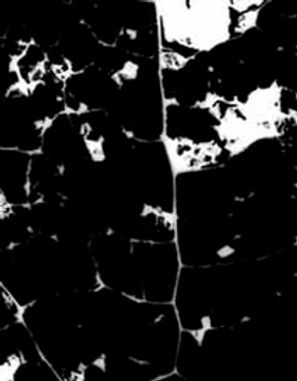
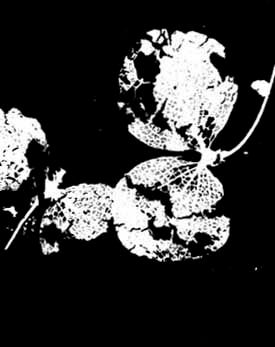
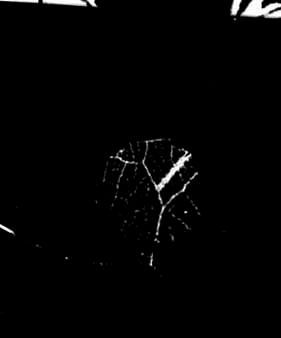
For this set I have created photograms in the darkroom. I have used a variation of dried flowers and leaves in these photograms, placing them into a slate of glass which I then placed into the enlarger. I placed my photographic paper down and then tested different amounts of time for the enlarger to project onto the photographic paper. I found 4.5 seconds was the right amount of time, from this I created a selection of photograms which consisted of different dried natural forms. I then processed these photograms in the chemical processor, allowing the images to be reviled.










Set 2





Development
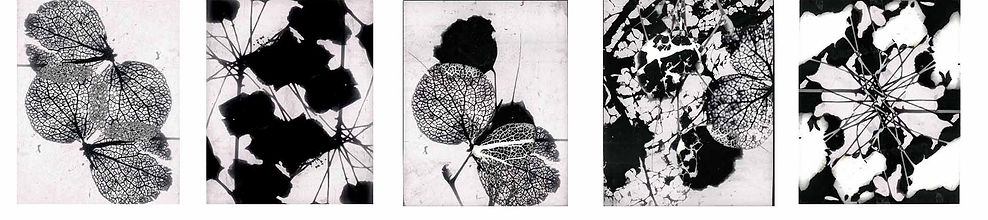
For my development I have taken a few of my photograms that I had already created, inverted them and overlap them with others which I then printed out on acetate paper. In the darkroom I placed them into the enlarger, which projected them onto the photographic paper exposing the paper to the image, I then chemically processed them allowing the image to emerge. From creating these developments not has give a sort of digital pixilated look to the photograms and has also allowed me to experiment with overlapping them and the amount of time needed for the enlarger to project the image.
Acetate Paper Versions:
Photogram Developments: